For Cindy Strydom, martial arts has never been defined by a single trophy, title or belt. Her journey has grown from competing and testing herself on the floor to coaching, organising and helping others discover what the sport can teach them about discipline, confidence and perseverance.
Where the journey began
Strydom's story is best understood as a progression rather than a single breakthrough. Training, competition, setbacks and continued learning all helped shape the martial artist she became. The visible milestones matter, but they sit on top of the less visible work: repetition, preparation and returning to training even when progress feels slow.
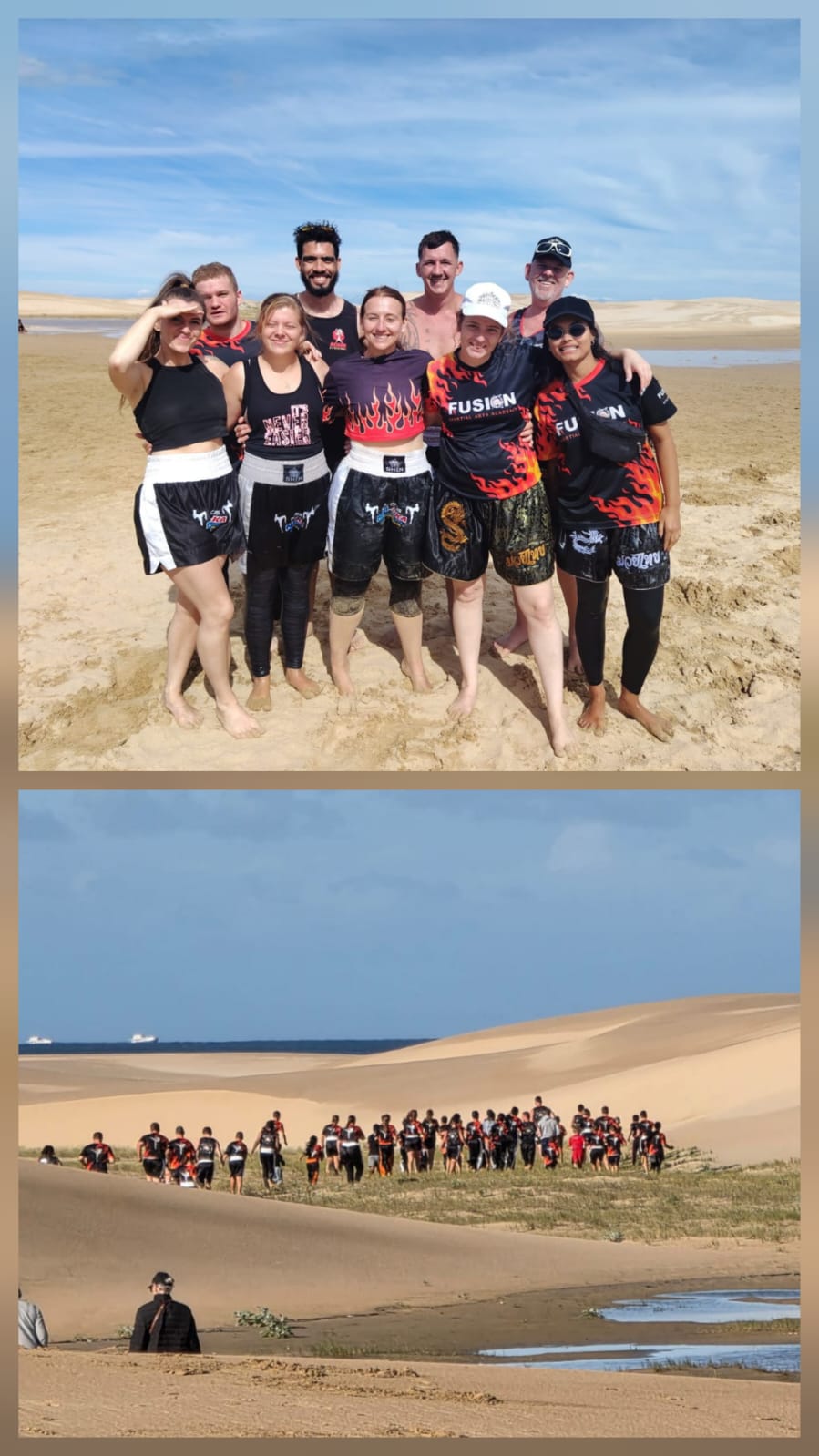
Her own dojo followed in 2008, and by 2010 that had grown into Fusion Martial Arts Academy, built together with her mother and stepfather. Within a few years, Fusion athletes were competing on the international stage - by 2012, students were representing the academy at NMA/ISKA World Championships.
The competitor
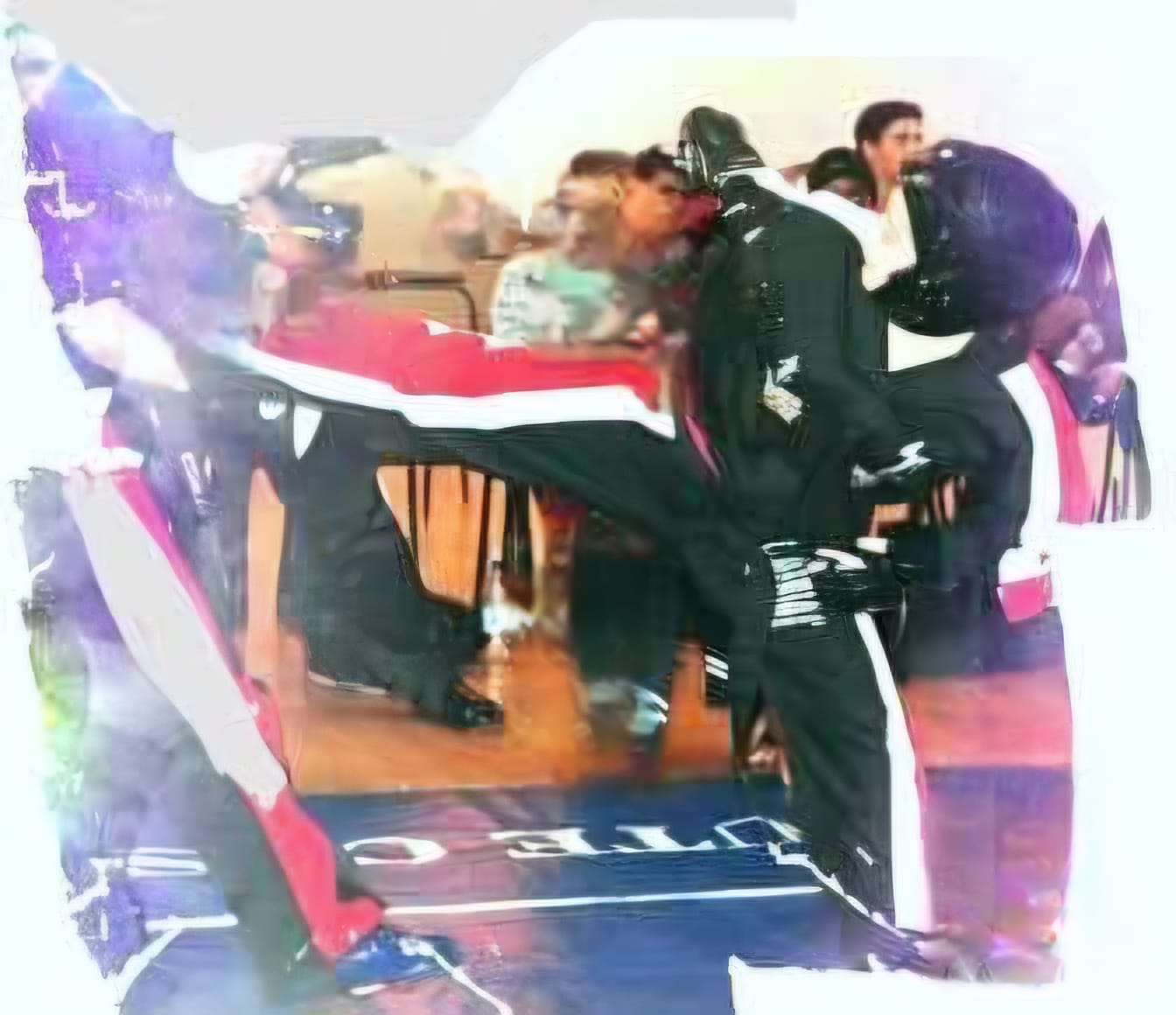
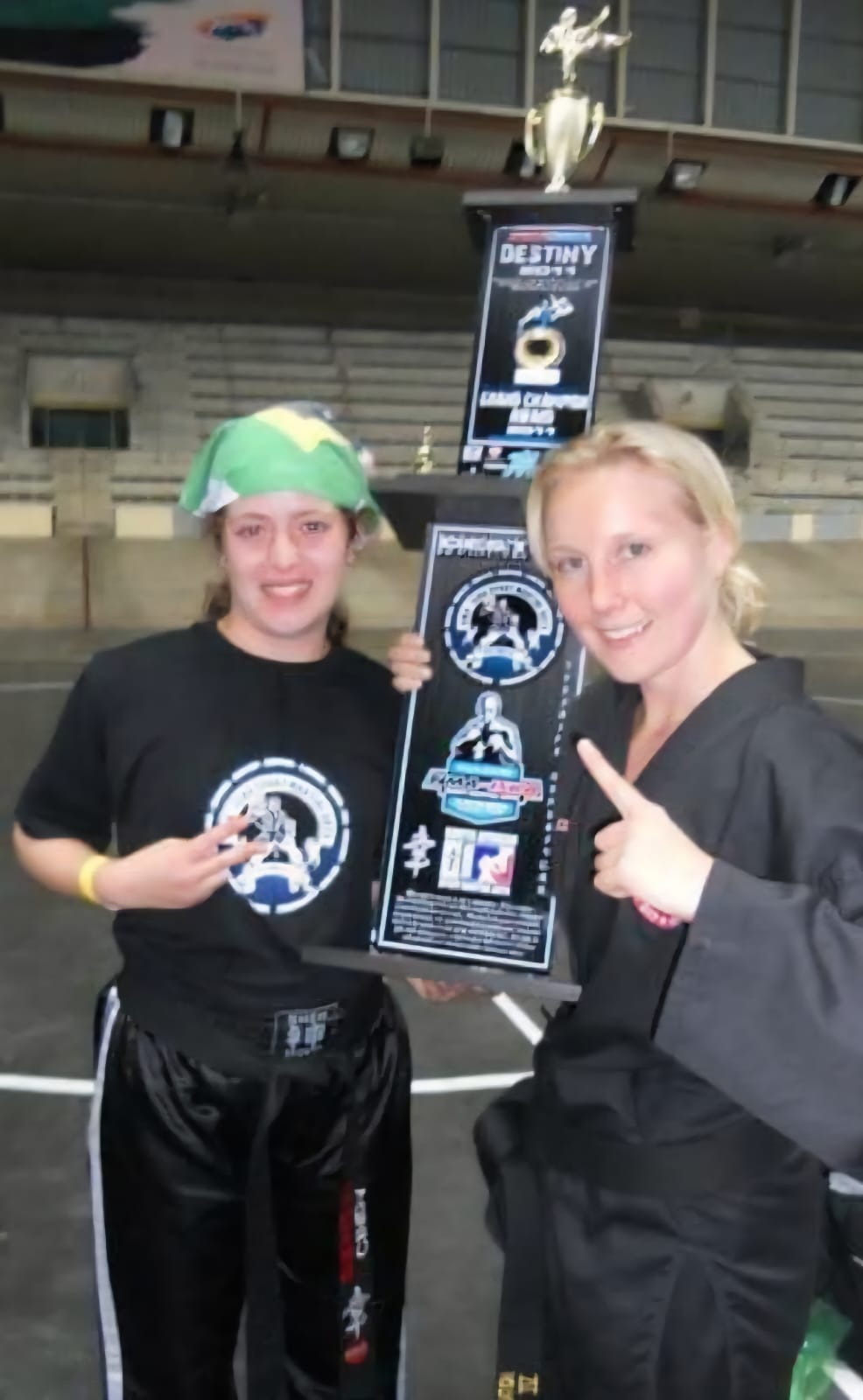
That process eventually carried her to world-championship success. Competition demands more than technique. It asks an athlete to manage nerves, make decisions under pressure and adapt when a match does not unfold as expected - lessons that stay relevant long after a result has been recorded.
Beyond medals and titles
For younger athletes especially, this is an important distinction. Martial arts can teach that losing a match is not the same as failing, and that winning without learning is not the end of the journey. Development comes from understanding what happened, returning to training and being willing to improve.
Competition built the athlete. Coaching, service and responsibility helped shape the leader. One of the most interesting parts of Strydom's story is what happened after personal achievement stopped being the only measure of progress: experience created a new responsibility - helping other martial artists prepare for their own opportunities.
From competitor to coach
Today, Strydom is closely associated with Fusion Martial Arts Academy, which has gone on to produce multiple World Champions among its athletes. Her role extends beyond teaching combinations or preparing athletes for a bout - coaching means reading the person in front of you: knowing when to push, when to correct, when to encourage and when an athlete simply needs another opportunity to try again.
The impact of that work is visible in the athletes she has helped prepare. In 2022, Fusion Martial Arts Academy competitor Jacques van der Westhuizen represented South Africa at the US Open World Martial Arts Championships in Orlando and returned with three third-place finishes, later crediting Strydom's training for pushing him to his limits. For a coach, moments like these change the definition of success - the athlete receives the medal, but the result is supported by months of preparation, problem-solving and trust.
Building opportunities for others
Strydom's work in the Eastern Cape has also focused on development: creating environments where martial artists can compete, learn and gain experience before stepping onto bigger stages.
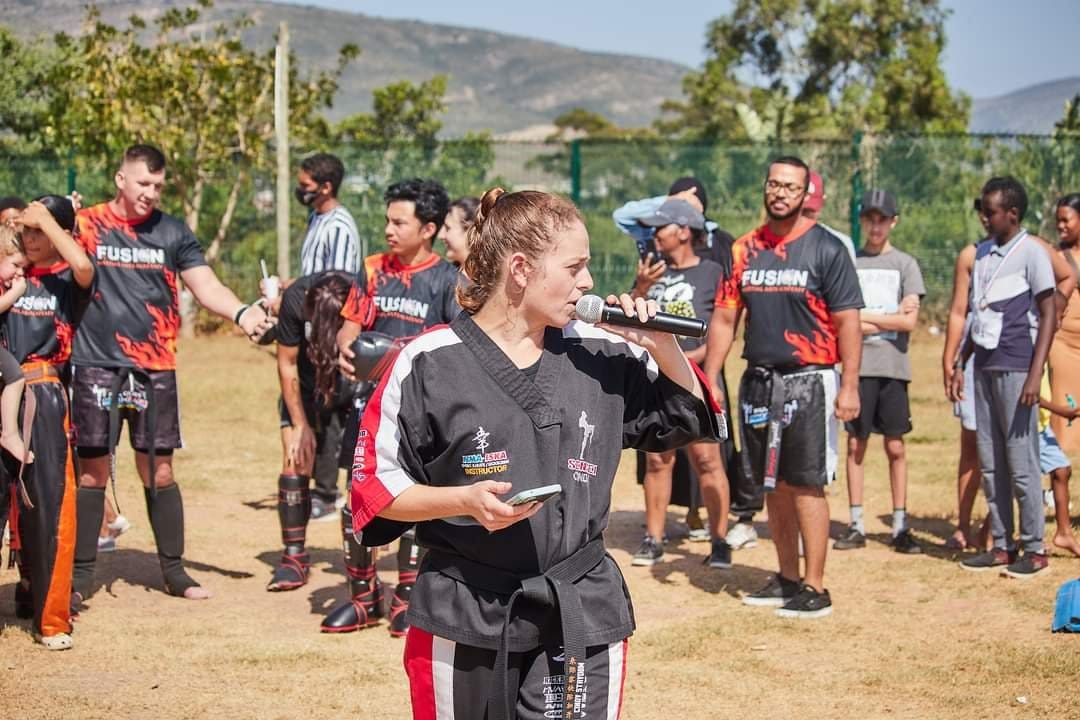
At an NMA-ISKA Eastern Cape development tournament in Jeffreys Bay in 2024, participants ranged from four to 54 years old. Strydom described the emphasis of the event simply: it was not about winning or losing, but about learning. That approach captures an important part of sustainable martial-arts development - athletes need meaningful competition, but they also need safe places to make mistakes, understand procedures and build confidence.
Development extends beyond competitors, too. Events create opportunities for officials, coaches and volunteers to learn as well, strengthening the structures that allow the sport to grow. Much of this work happens where spectators never see it - divisions need to be structured fairly, officials prepared, athletes supported and clubs kept informed. It rarely attracts the same attention as a podium photograph, but it is what creates the next opportunity.
Women in martial arts and leadership
Strydom's journey also matters because visibility matters. Women entering martial arts need to see women not only participating, but coaching, organising events, making decisions and occupying leadership roles.
Her involvement with NMA/ISKA has grown over time, from representing the Eastern Province from 2019 to taking on a provincial leadership role with MASA. Martial arts can offer physical skills, but its effect is broader - consistent training can build confidence, awareness and the ability to remain composed under pressure. For girls and women, those lessons can become part of how they carry themselves far beyond the training floor.
Her story does not suggest that confidence arrives immediately or that leadership is easy. It shows something more useful: capability is built through experience, repetition and the willingness to keep learning.
Advice for the next generation
The strongest message in Strydom's story is that martial arts does not have a neat finishing line. A championship, a new belt or a leadership title may mark progress, but each one opens another stage of the journey. It reflects a philosophy central to her coaching: martial arts is not only about winning - it is about learning.
For the next generation of women entering martial arts, her path shows the range of what is possible: competitor, coach, organiser, mentor and leader. The medals remain part of the story, but the people who gain confidence, experience and opportunity because she stayed involved may prove to be its most lasting achievement.
About this series
Part of MyClubHub's Women's Month 2026 series, sharing the stories of women helping shape sport, clubs and their communities.